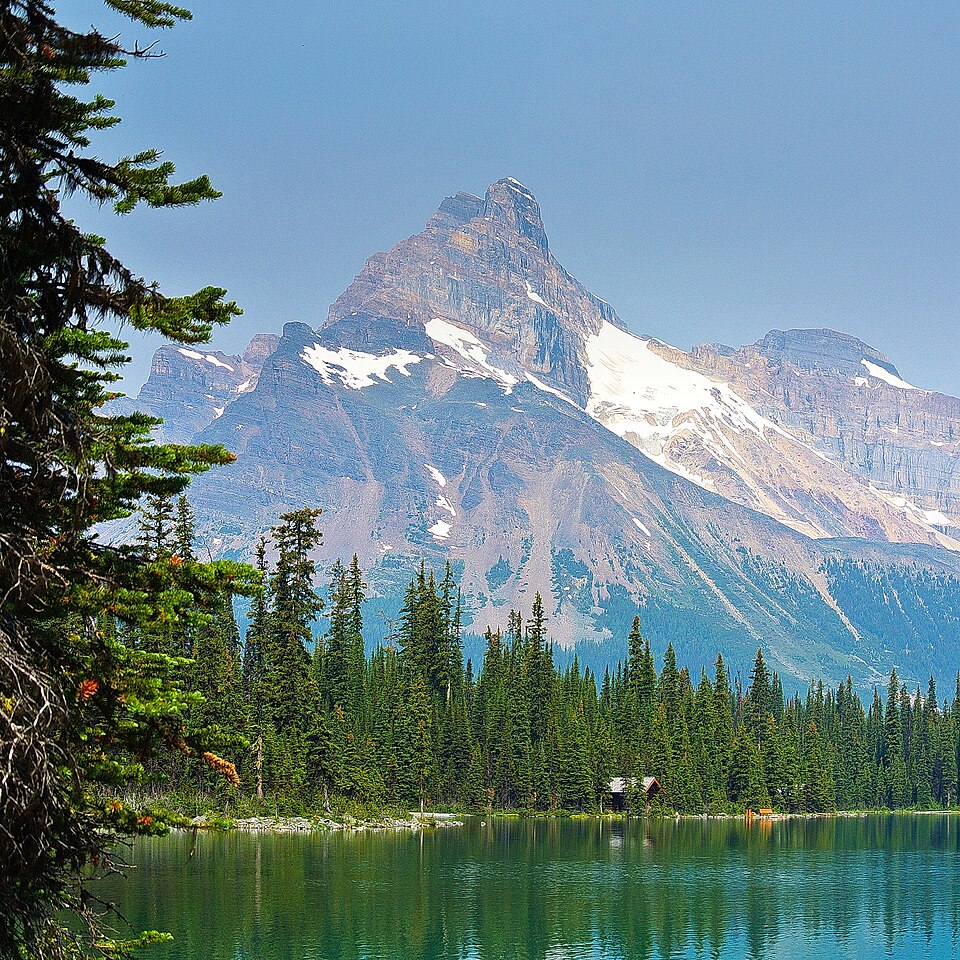
Alpine Lakes
Short seasons, thin air and the passes that open last.
The window between snowmelt and first snow is short at elevation, and the nights are cold even inside it. Most of what goes wrong on an alpine trip is a warm-weather kit list meeting a cold night.
Sleep warmth
Rate your sleeping bag for the coldest night you'll actually see at the lake, not the valley forecast. The pad matters as much as the bag: cold comes up from the ground, and a high-R-value pad is the cheapest warmth you can buy.
Our pick: ‹sleeping bag› — tested ‹duration›.
Cooking at altitude
Water boils at a lower temperature as you climb, so everything takes longer to cook and burns more fuel. Canister stoves also lose pressure in the cold. Carry more fuel than the plan says, and keep the canister warm until you need it.
Our pick: ‹stove› — tested ‹duration›.
Water
Glacial water is cold and often silty. Hollow-fibre filters are ruined by freezing, so on a cold night the filter sleeps in the bag with you.
Our pick: ‹water filter› — tested ‹duration›.
Layers
Afternoons can be warm, and the temperature drops fast once the sun is behind the ridge. Pack an insulated jacket and a hat for the evening even when the day is in shorts.
Access and reservations
Several of the best-known lakes limit access. Lake O'Hara in Yoho National Park, for one, is reached by a reservation-only bus, and its access road is closed to private vehicles. Check the booking rules before you plan the trip around a lake.
Check the booking rules before you plan the trip around a lake.